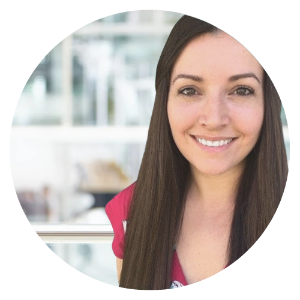
Student Spotlight: How She Finished Her First Draft in 88 Days (While Working Full-Time) With Poornika Kakkanaiah

If you've ever felt like your day job makes finishing a novel impossible, Poornika Kakkanaiah's story might change your mind.
Working full-time in corporate finance, Poornika wrote a 114,000-word YA fantasy draft in just 88 days. She didn't quit her job. She didn't take a sabbatical. She simply found a system that worked with her real life—and then she committed to it.
But getting there wasn't straightforward. Like many aspiring novelists, Poornika spent months stuck before everything clicked.
The Pattern That Kept Her Stuck
When Poornika decided to write a novel, she did what most aspiring authors do—she researched everything. Podcasts, blog posts, craft books, plotting methods. She consumed it all.
But every method seemed to contradict another. She tried combining multiple approaches—one framework for structure, another for character arcs, another for plotting. So, instead of clarity, she found confusion.
Months passed. She brainstormed constantly, talked through ideas with her husband, asked friends for input. From the outside, it probably looked like progress. She was thinking about her novel every day, filling notebooks, refining her concept.
But she couldn't move from planning to actually writing.
That's the trap with endless research—it feels productive. You're learning. You're preparing. But at some point, consuming more information becomes another form of procrastination. Especially for perfectionists who want everything figured out before they write a single word.
Eventually, Poornika realized she didn't need more methods. What she actually needed was one clear path forward.
The Shift That Made Finishing a First Draft in 88 Days Possible
When Poornika joined Notes to Novel, she stopped collecting information and started implementing.
She worked through the course and spent several months building out her scene-by-scene outline. She took the time to pressure-test her ideas, making sure her story held together before she drafted a single scene. By the time she finished creating her outline, she had a scene-by-scene roadmap she trusted.
Here's the part that made all the difference: she set a cut-bait date.
December 31st was her deadline for outlining. January 1st, she would start drafting—whether the outline felt perfect or not. No more tweaking. No more second-guessing. The outline was done, and it was time to write.
That decision changed everything.
On January 1st, she opened her document and started writing. By the end of March, she had a complete 114,000-word first draft.
How She Wrote a Novel With a Full-Time Job
Three things made Poornika's rapid progress possible:
Her outline eliminated decision fatigue. Because she'd done the hard thinking upfront, she never sat down wondering what to write next. Each scene had a purpose. Each chapter moved the story forward. She wasn't inventing the plot as she went—she was executing what she'd already built in the outlining phase.
She refused to edit as she wrote. In the past, Poornika would constantly go back to revise what she’d written. But this time, she forced herself to keep moving forward, no matter what. If something felt off when she wrote a scene, she made a note and continued writing. This single change prevented the endless rewriting loop that traps so many writers.
She proved you don't need long stretches of time. Poornika wrote for a few hours in the evening after work, with some longer sessions on weekends. She also has a chronic illness that meant she sometimes had to step away from her writing completely. But because Poornika had a well-developed outline, she could pick up right where she left off—no wasted time trying to remember where she was or what came next.
What Happened After Finishing the First Draft
Once Poornika finished her draft, she revised it on her own before sending the manuscript to a developmental editor and beta readers.
I had the pleasure of reading Poornika’s early draft, and it was one of the best first drafts I’d seen in over ten years of working with writers (something I don’t say lightly!). The structure held, the characters were compelling, and the story worked from beginning to end.
Beta readers came back with great feedback, too. They connected with her characters, adored the worldbuilding, and stayed engaged all the way through to the climax.
Poornika eventually queried agents and received multiple full manuscript requests. Fast forward to a few months later, Poornika signed with her dream agent, and they are now preparing to take her story on submission.
What Writers Can Take From Poornika's Journey
Poornika didn't have all the time in the world to write a novel.
She didn’t have the perfect circumstances or the dream scenario of writing in a remote cabin in the woods or anything like that.
Instead, she carved out little pockets of time on her calendar and committed to writing all the way to the end by following one proven process.
If you're stuck in the research phase, overwhelmed by conflicting advice, or convinced you don't have enough time—her story proves otherwise.
Ready to Write Your Novel?
If Poornika's journey resonates with you—if you've been drowning in research, juggling conflicting methods, or convinced you don't have enough time—it might be time for a new approach.
Join the waitlist for my Notes to Novel course, where you'll learn the same step-by-step framework that helped Poornika go from months of overwhelm to a completed 114,000-word draft in just 88 days. No more information overload, no more paralysis by analysis—just a clear, focused roadmap you can follow from idea to finished first draft.
👉 Want more help right now? Check out these free resources:
- Listen to the Fiction Writing Made Easy Podcast for weekly writing guidance
- Take the Author Success Blueprint Quiz to get personalized next steps for your writing, editing, and publishing journey
- Grab my free guide to see how real writers (like you!) pushed past these roadblocks to finish their novels: 5 Writing Roadblocks Keeping You Stuck & How to Break Through